


Set Your Budget and Priorities

Know your numbers before you shop
Match the Vehicle to Your Lifestyle

Sedan, SUV, truck, or minivan?
New vs. Used vs. Certified Pre-Owned (CPO)

Compare the pros and cons
Test Drives and Inspections

What to look for during a test drive
Financing, Rates, and Total Cost of Ownership (TCO)

Shop the deal, not just the price
Timing Your Purchase and Negotiation Tips
Timing can impact incentives and availability. End-of-month or model-year changeovers can offer compelling deals. When negotiating, focus on the out-the-door price, compare multiple listings, and be ready to walk away if the numbers do not fit your budget. Keep financing discussions separate from vehicle price and use your pre-qualification as leverage. If you have a trade-in, get appraisals early to understand your equity position.
Get pre-qualified in just a few taps
When you're searching for the perfect vehicle, it helps to know if you qualify for the financing you need. Get pre-qualified in just a few taps, with no effect on your credit score.
Powered by


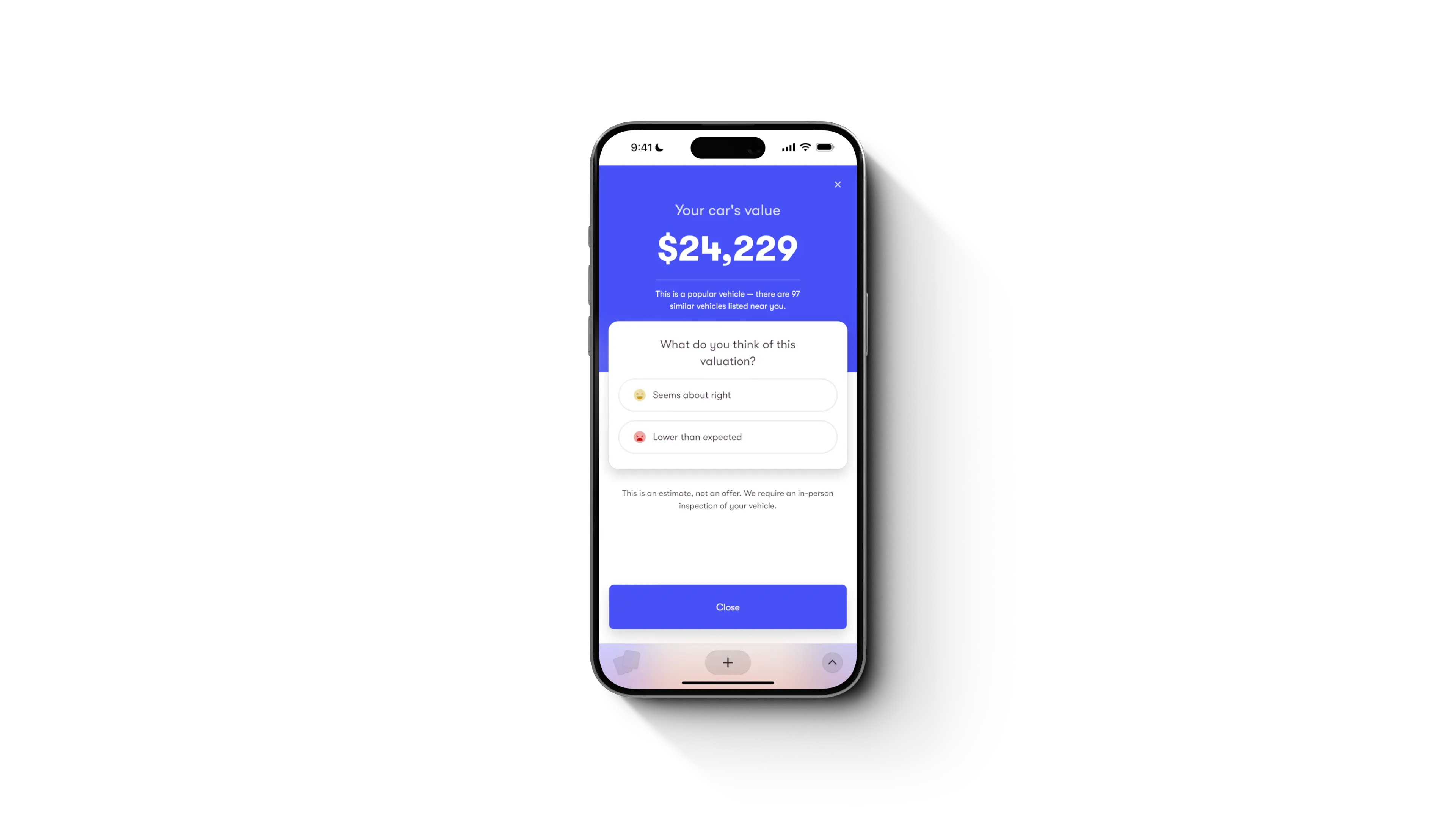
What's your vehicle worth?
Get an estimate of your vehicle's trade-in value, based on real local market data — in under 30 seconds.
Powered by
Online Shopping Pro Tips

Research smart and save time
Frequently Asked Questions
How much should I spend on a car?
A common rule of thumb is to keep total car expenses (payment, insurance, fuel, maintenance) within 10–15% of your take-home pay. Always confirm the full out-the-door price to stay on budget.
Is it better to buy new or used?
It depends on priorities. New cars offer the latest safety tech and a full warranty, often with lower APR incentives. Used cars cost less upfront but vary in condition; review the history report. CPO bridges the gap with inspection and extended coverage.
Should I get pre-qualified before visiting the dealership?
Yes. Pre-qualification helps you understand your budget, streamlines paperwork, and can strengthen your negotiating position by showing you are a serious, finance-ready buyer.
What should I look for during a test drive?
Test braking, acceleration, steering response, and visibility on both city streets and highways. Check comfort, tech features, camera clarity, and road noise. For used vehicles, consider a pre-purchase inspection.
How can I estimate trade-in value?
Get multiple appraisals to compare offers and understand your equity. Condition, mileage, demand, and local market trends drive trade value. Keeping maintenance records helps maximize your offer.
Have Questions? Ask Our Team
Related Articles

Spring Into Savings: Why April Is the Perfect Time to Buy a Nissan at Orr Nissan Central in OKC
Published on Mar 26, 2026 by Chadly Krifa

2026 Nissan Pathfinder Review: Ratings, Features & Why OKC Families Love It
Published on Mar 26, 2026 by AARON LEGER

Spring 2026: The Best Nissan Models for Oklahoma City Drivers — And Why Now Is the Perfect Time to Buy
Published on Mar 26, 2026 by Chadly Krifa